Audience development · Live reporting
From the racecourse to the world
Making a world-class offshore sailing race more accessible by teaching its own sailors how to share what was happening on the water.
The challenge
In 2014, I managed the Chicago Yacht Club Race to Mackinac’s official Twitter account. The race takes place far offshore, away from the people who want to follow it. The most authentic sources of real-time stories were the competitors themselves, but many sailors had never used Twitter.
The people I needed to reach were predominantly older men, including captains and crew members who often did not even have Twitter accounts before the race. This was not a lesson in advanced social media. It was an introduction for absolute beginners, with explanations intended to make a first attempt possible.
The idea
Instead of asking spectators to rely on a single official account, help the fleet become a network of on-the-water correspondents. That meant making Twitter approachable for people who were unfamiliar with the platform, then giving them practical, step-by-step instructions they could follow themselves.
Built for the fleet, not for social media experts
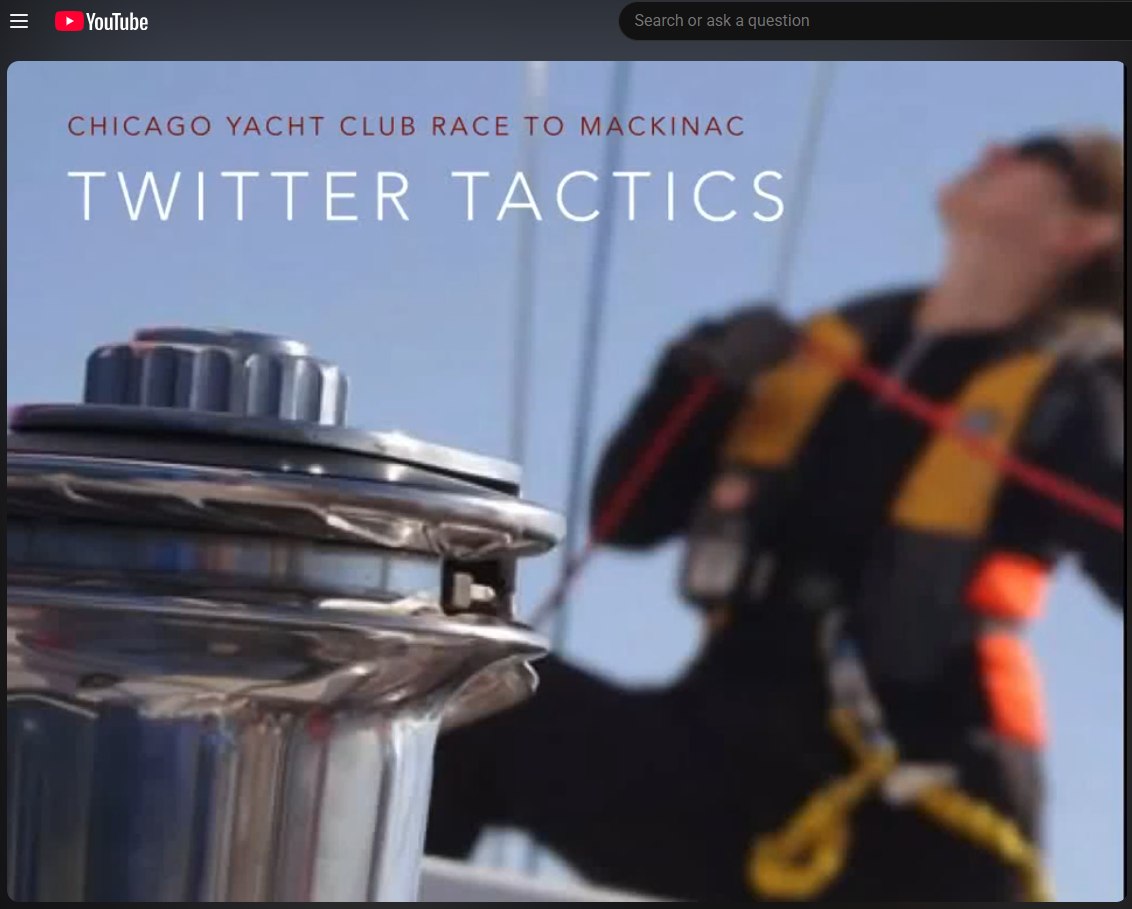
I created a Twitter guide specifically for the Race to Mackinac fleet. It started at the beginning: what Twitter was, why a sailor might use it, and how to participate. The audience was about as new to the platform as an audience could be, so the presentation was built around their first use of Twitter, not around assumptions about prior knowledge.
Just before the race, the guide was printed, with its pages stapled together, and distributed to approximately 350 captains at the Captain’s Meeting. Giving a copy to each captain put the instructions within reach of their crews as well.
I also published the presentation on YouTube as a digital companion. Sailors could work through it at their own pace, pausing on each slide. The printed guide explicitly told readers when to pause the YouTube presentation on a new slide. Paper and video were designed to work together, accommodating people who preferred a printed walkthrough and those who wanted to revisit the instruction on-screen.
Beyond the official race account
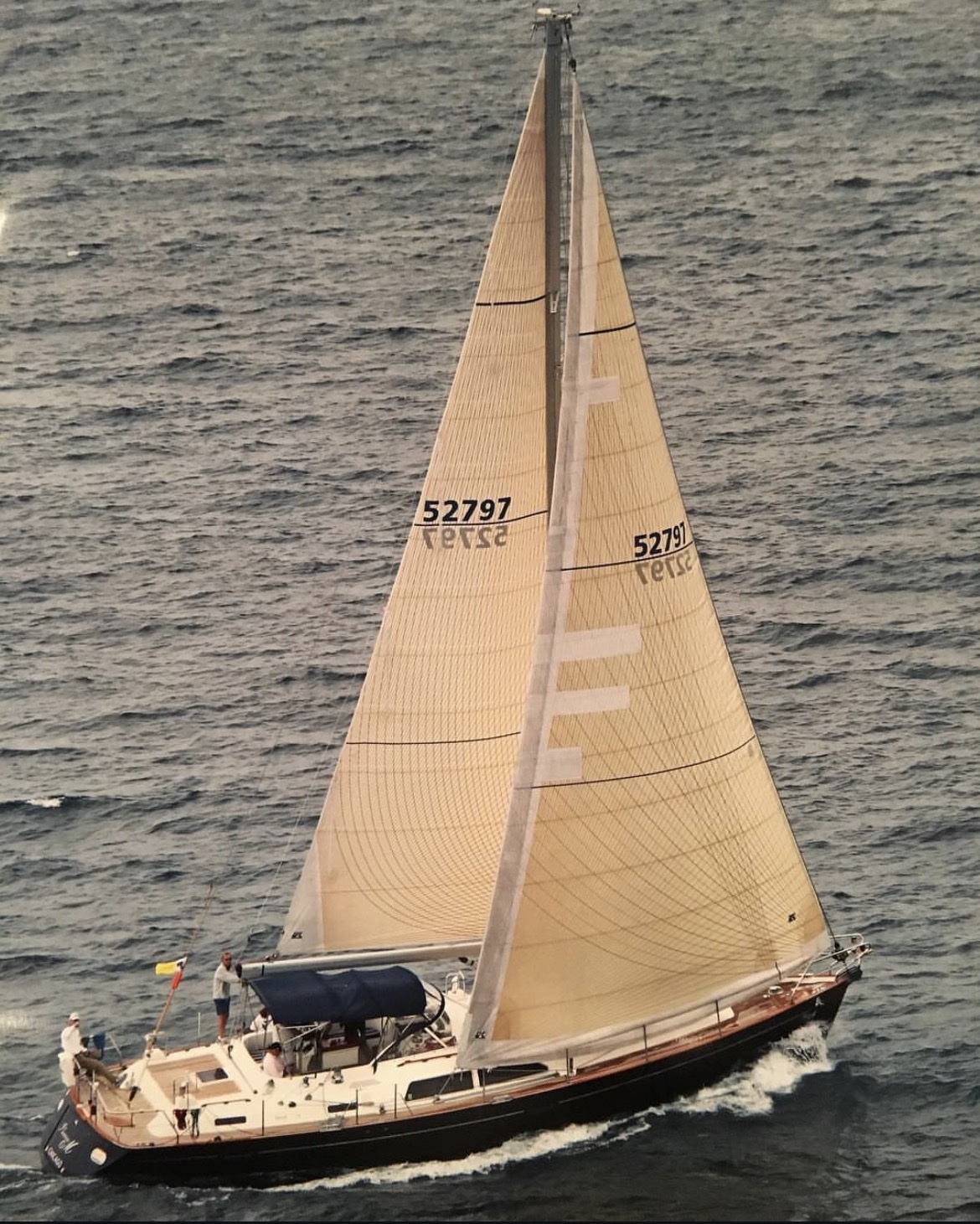
Separately, I was a crew member and communications director aboard the 54-foot Moody yacht Princess M. From 2014 through 2020, I built and operated its social media presence, including satellite-uplink commentary from the water and ongoing engagement with followers in different ports.
Princess M exceeded its first-season goal of attracting more followers than any other participating boat, eventually approaching the following of the race’s official account. Members of that audience also came to meet the crew in person when the boat visited ports.
What this work demonstrates
The strategic idea was simple: meaningful live coverage is easier to create when the people closest to the action have both a reason and a practical way to participate. The work combined audience analysis, beginner-first education, printed and digital distribution, social media operations, and real-time storytelling.
Selected artifact: the fleet's Twitter guide